

Beyond the ordinary
What is a salve and why do we make them? Ultimately it is a dance between nature and humans, with our side learning to understand the wisdom of plants and how God provided such a wonderful palate of nature for us to work with. Join me while we explore this a little further ...

In the beginning ....
In its basic form, a salve is a healing or soothing ointment, cream or balm that is applied to the skin. Salves are usually made with an oil that has been infused with a herb (fresh or dried), along with beeswax and perhaps some other natural ingredients, such as essential oils, carrier oils or multiple herbs. The combination of oil and wax make the salve semi-solid, and easy to apply. The higher content of wax will result in a harder ointment (balm), creating a thicker barrier on the skin. Remember, the skin is our largest organ, so it makes sense to have something easy to apply and be absorbed to help our system when it needs a boost.
Why plants?
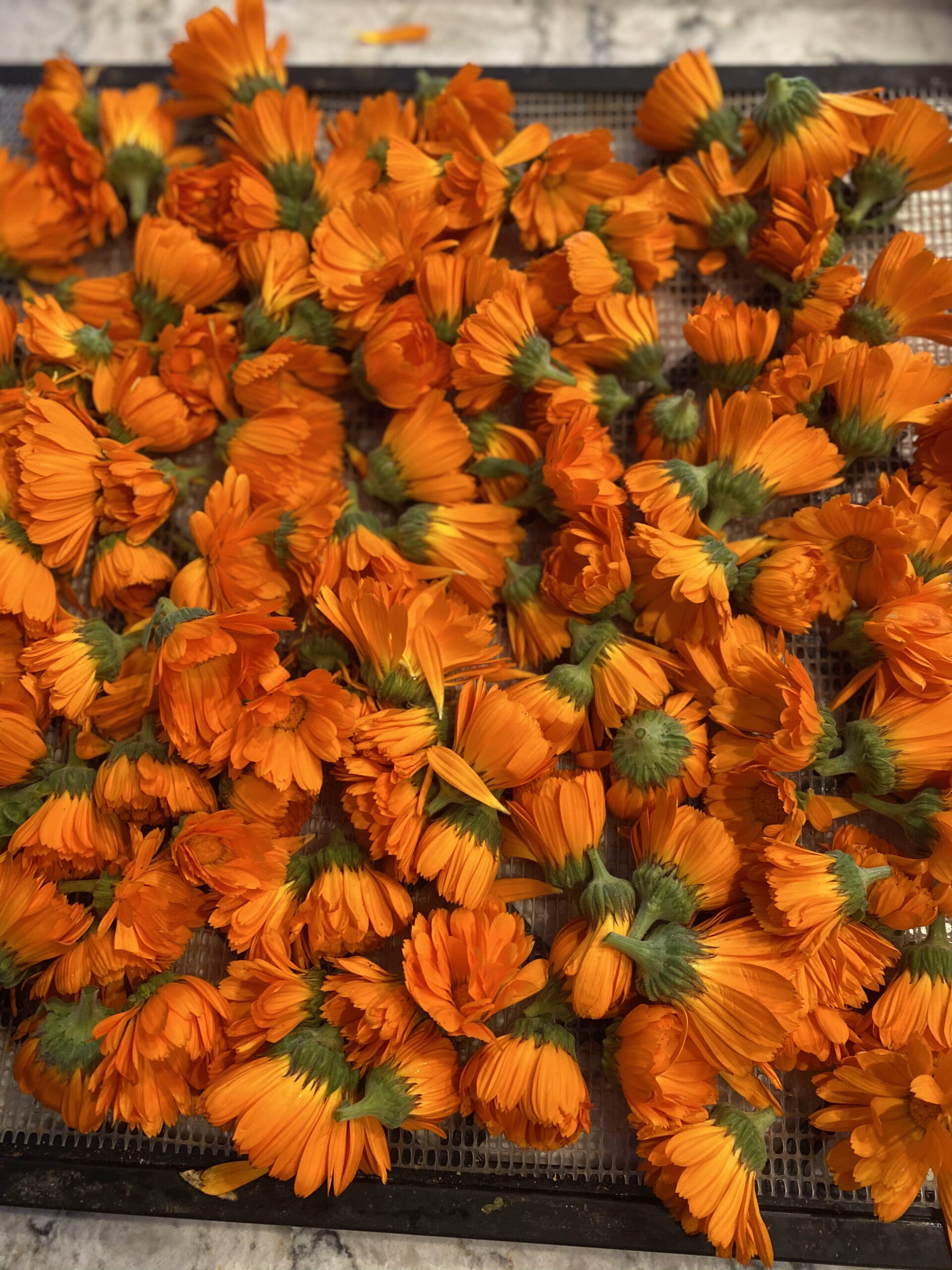
God has provided us with an incredible outdoors that is filled with marvelous and wonderful plants that are not only in tune with our bodies, but help restore harmony within our bodies. We are all familiar with the many plants that seem to appear in everyone's gardens: peppermint, lavender, rosemary, calendula to name a few. Think of some of the properties of each plant and how it relates to re-establishing the harmony within our bodies: the cooling (soothing) scent and taste of peppermint; the calming (relaxing) scent of freshly bloomed lavender on a sunny day; the sense of peace (harmony) that comes with a sprig of fresh rosemary; and the capture of sunshine and its healing properties in a bloom of calendula.
What better than being able to capture these properties into a salve and use to restore balance in our bodies?
Begin with the best you can
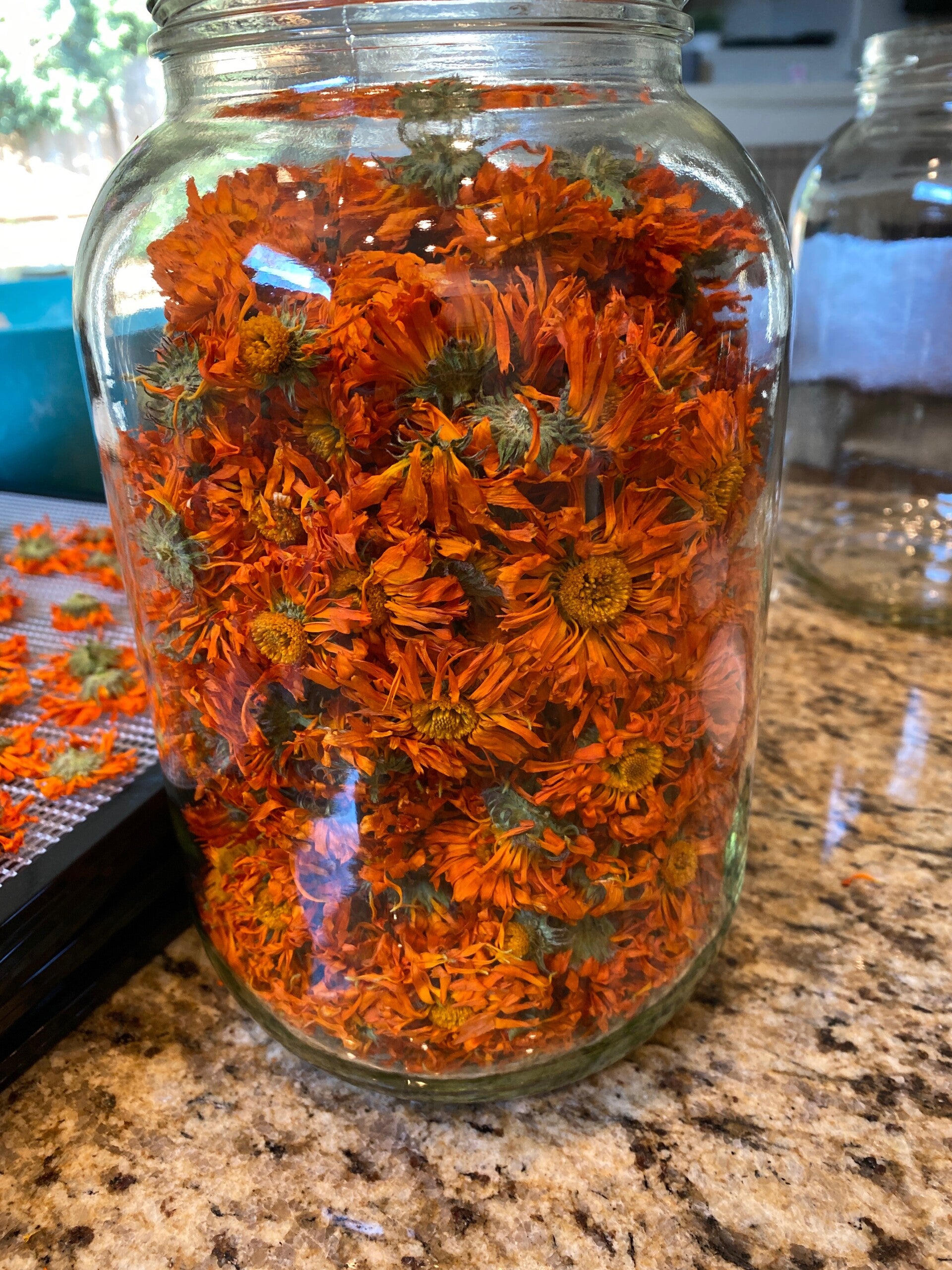
To make the best salve starts with the best ingredients that you can find. This does not necessarily mean the most expensive, but rather the cleanest, locally grown plants that you can find. Something from the edge of a meadow perhaps, rather than the side of a busy road! Let's take calendula - going outside on a clear sunny morning, looking for the open flowers that seem to capture the day's sunshine. Snip the top of the plant and collect in a basket. Despite the colorful pictures that seem to appear everywhere on the internet with fresh calendula blossoms in a jar, you are best served with drying your blooms first. No special equipment needed, just a space to dry them and a little time. Once you have a sufficient amount, and the blossoms are dried it is time for the magic to happen!
To infuse (to soak) the calendula blooms in oil starts with a little preparation. The dried material needs to be chopped into small pieces to increase the surface area exposed to the oil. There are multiple ways to infuse your material, to end up with the deeply colored golden magic oil that will become the base of your salve. Some of the most enjoyable and wise classes this maker has taken on salves have been with Kami McBride (https://kamimcbride.com). Well worth further exploration.
Now that I have my calendula oil what can I do with it? The easiest thing is to make a simple calendula salve with beeswax. This salve has been my close friend throughout many years, especially when our growing family seemed to be experiencing more than our fair share of scrapes, irritations and "boo-boo's" in general! The easiest thing to do was to reach for the calendula salve and apply to the affected area. The cell proliferation abilities of calendula was just what diaper rashes, skinned knees and irritations needed!
Some of my favorite plant salves? Plantain for bug bites and all things itchy; lavender to sooth and calm; comfrey for those tired achy muscles after working in the garden all day; and eucalyptus for clear breathing during those winter colds.